

“We face two kinds of pain in life,” Adam said. “We face the pain of discipline or the pain of regret. So many people get through life and they start looking back and have this pain of regret of not opening their eyes and saying, ‘I’m going to face that pain of discipline, of subjecting yourself to finding out what being successful means.”
Adam got an early start subjecting himself to the pain of discipline. On graduation day from Cherry Creek High School near Denver, when most of his friends were attending parties, he was packing his bags for boot camp after deciding to join the Marine Corps, something his uncle had done before him. Although Adam was an excellent teammate on his high school track squad, it was as a Marine that he began to develop his understanding of what made a great team.
How do you scale your organization in a way that values the people who are building it? Listen now!
You will learn:
As a Hall of Fame keynote speaker, longtime Associate Editor for Sports Illustrated, and 14-time New York Times Best-Selling author, Don Yaeger is one of America’s most provocative thought leaders. From walking into Afghanistan with the Mujahadeen to living with football legend Walter Payton, Don has spent three decades embedded with the world’s greatest "Greats." Now a sought-after executive coach and host of the Corporate Competitor Podcast, he translates the lessons of sports and business legends into actionable strategies for building a culture of greatness.






"Don is one of the best storytellers I’ve ever met. I’ve known him for a long time and every time we talk I walk away wiser and more inspired. He is the best in the business at teaching you a skill – storytelling – that will last you a lifetime.”

“The ability for athletes to get hired is carried on through you because you are putting out the message that lessons learned from sports are important in life. It is embedded in this podcast, what you’re doing is significant.”

We speak the same language. I am inspired by the stories you tell, the people you have met, and the things you’ve done. Those of us that are competitors like to follow others that have been down that journey, so it is always fun talking to you!”
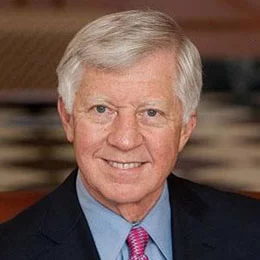
“Many of the leaders I have worked with were excellent athletes, and I think there is a direct correlation. You’re one of the few people that really has pursued this study, Don. Keep up the great work. What you are doing really makes a difference.”

“Don, you have mastered the skill of interviewing and asking great questions. That is a great skill all leaders need in order to understand their team members’ thought processes.”
Sign up to receive Don Yaeger’s weekly leadership contributions, and be the first to listen to new Corporate Competitor Podcast episodes.